

Your cart is empty
Explore our premium supplements to support your health and well-being.

Grass-fed organs for energy, hormones, and whole-body health.


In the United States alone, about 40 million adults (1 in 8 Americans) are now taking GLP-1 medications like Ozempic®, Wegovy®, Mounjaro®, and Zepbound® to help them lose weight more easily and manage their risk for obesity, type 2 diabetes, and other related metabolic issues.
For many, these medications are life-changing. Hunger decreases, cravings quiet down, and the number on the scale finally starts moving in the right direction.
But there's an important part of the conversation that isn't talked about as often: when you eat significantly less food, you're also taking in significantly fewer nutrients. And when every meal becomes smaller, every bite has to work harder.
Your body's need for protein, vitamins, minerals, healthy fats, and fiber doesn't disappear simply because you're taking a GLP-1 and your appetite is reduced.
In fact, nutrition becomes even more important, not less, while taking a GLP-1 medication due to susceptibility to muscle loss and nutrient deficiencies.
Let's explore how these medications work, why food quality matters so much when taking a GLP-1, and how to build a nutrient-dense eating plan that supports healthy weight loss while also protecting your muscles, metabolism, and long-term health.
GLP-1 medications work by mimicking hormones your body naturally releases after eating.
These hormones send signals that tell your brain you've had enough to eat, usually even when eating less than you previously did. They also slow the rate at which food leaves your stomach, which contributes to fullness, stimulate insulin release when appropriate, and help regulate blood sugar.
Additionally, GLP-1s like Mounjaro® and Zepbound® activate another hormone pathway called GIP, which further influences appetite and blood sugar regulation.
Together, all of these effects cause the majority of people taking GLP-1s to:
Despite what many people believe, these medications don't cause weight loss by magically "melting fat." The primary way they work is by changing people's appetites and eating behaviors.
These medications make it much easier to consume fewer calories, but that's also where nutrition becomes critically important.
GLP-1 medications are popular for a reason: they tame the hunger that many people have found hinders weight loss and even causes them ongoing stress.
For those who have struggled with their weight for years or even decades, it can feel like a relief to suddenly not be as hungry. However, this appetite suppression introduces an important tradeoff.
When you consume 30–40% less food, which is common while taking these medications, you aren’t only cutting calories. You're reducing your intake of essential vitamins, minerals, amino acids, healthy fats, and fiber.
Your body still requires these nutrients daily to:
If nutritional quality declines alongside calorie intake, you risk unintended consequences. These can include muscle loss, fatigue, and slowed recovery from workouts or injuries, all of which are somewhat common among people who lose weight rapidly from being in a caloric deficit.
Ultimately, losing weight isn't always the same thing as becoming healthier. A GLP-1 medication might control how much you eat, but it doesn't control what you eat. That's your job, and it's a crucial one for your health.
While GLP-1 medications effectively suppress hunger, they create a unique challenge: because you are eating less total food, you have a smaller margin for error.
Achieving a healthy body is the ultimate goal, not just losing weight (which includes both lean muscle and fat). Therefore, your focus must shift from simply eating less to eating better, as nutrient density is now more critical than ever.
Prioritizing high-quality, nutrient-dense foods—including superfoods like organ meats, grass-fed meats, fish, eggs, and fresh vegetables—ensures that every bite provides the essential fuel your body relies on. The following sections outline the essential foods to prioritize, starting with the foundation of any successful GLP-1 diet: protein.
If there's one nutrient to prioritize while taking a GLP-1 medication, it's protein.
When you don't eat enough dietary protein, your body can begin breaking down your own muscle tissue to obtain the amino acids it needs for essential functions.
Think of your muscles as your body's amino acid savings account. Protein is constantly being broken down and rebuilt throughout the day, so your body needs a steady supply of amino acids from food to keep up with this natural turnover. Without enough protein, lean muscle mass gradually declines.
Research consistently shows that people who consume more protein during weight loss are better able to preserve lean muscle while losing body fat. Essentially, eating plenty of protein tells your body, "Burn the fat, but keep the muscle."
Beyond making you look toned, muscle is important for mobility, strength, and even longevity, based on the latest research. Having enough lean muscle supports your metabolism, quality of life, healthy aging, balance, and overall resilience.
Protein needs vary based on age, body size, activity level, and health status.
That said, many nutrition professionals recommend aiming for approximately 1 gram of protein per pound of your goal body weight (about 1.6–2.2 grams per kilogram of body weight for active adults). For example, if your goal is to weigh 150 lbs, you should aim for 150 grams of protein each day.
For those taking a GLP-1 medication, consistently eating that much protein can feel challenging because their appetite is so dramatically reduced.
If 1 gram per pound of body weight seems too difficult, a practical goal for many adults is to consume at least 100 grams of protein daily. Even better: work with your healthcare provider or a registered dietitian to determine your individual protein needs.
Excellent protein sources include:
One mistake many people make is eating very little throughout the day and trying to consume most of their protein at dinner.
Instead, spread your protein across breakfast, lunch, dinner, and, if needed, a protein-rich snack or shake.
Providing your muscles with a consistent supply of amino acids throughout the day can better support your energy and muscle maintenance than eating one large protein-heavy meal.
Because appetite can be unpredictable on GLP-1 medications, many find it helpful to keep a simple food log for the first few weeks. You don't need to obsess over calories, but tracking your meals in a basic app or notebook can help you understand how much protein you're actually eating.
Once you know your baseline, it's much easier to identify nutritional gaps and make small improvements.
For those days when sitting down to a full meal feels difficult, supplements can also help you to meet your nutritional needs.
For instance, Ancestral Supplements Grass Fed Beef Protein is one convenient way to increase your protein intake without needing to eat a large meal. It provides a clean, minimally processed source of highly bioavailable amino acids that can support lean muscle maintenance and more.
Protein may be the foundation of a healthy diet on GLP-1 medications, but it isn't the only nutrient that deserves your attention.
Fiber and healthy fats are also key for supporting digestion, hormone production, brain health, and overall well-being, especially when you're eating significantly less food.
One of the most common side effects of GLP-1 medications is constipation.
That's because these medications intentionally slow stomach emptying and digestion to help you feel fuller for longer. While this can slash your appetite, it can also mean that everything else slows down as well.
Fortunately, one of the best ways to support healthy digestion is also one of the simplest: eat more fiber-rich foods.
Fiber adds bulk to stool, helps keep things moving through the digestive tract, and feeds the beneficial bacteria that make up your gut microbiome.
Importantly, a healthy gut microbiome goes beyond digestive health, too. It's needed for immune function, blood sugar balance, hormonal health, and even aspects of mood balance and brain health.
Unfortunately, most Americans aren't getting nearly enough fiber. Current recommendations suggest aiming for about 25 grams per day for women and 35–38 grams per day for men. Yet, the vast majority of adults fall well below those targets.
Make it a goal to include fiber-rich foods throughout the day, such as:
Along with increasing fiber, remember to stay well hydrated. Drinking enough water helps fiber do its job and can further reduce constipation.
If you're experiencing digestive changes while taking a GLP-1 medication, Ancestral Supplements Grass Fed Beef Colostrum can also be a valuable addition to your routine.
Colostrum, aka "liquid gold," contains naturally occurring immunoglobulins, growth factors, and other bioactive compounds that help support the integrity of the gut lining, digestive health, and a healthy immune system.
For decades, many people trying to lose weight have been told to avoid fat at all costs. But healthy fats remain an essential part of a nourishing diet, even when your goal is weight loss.
Dietary fat helps your body absorb fat-soluble vitamins A, D, E, and K, supports hormone production, nourishes the brain and nervous system, builds healthy cell membranes, and helps keep you satisfied between meals. It also contributes to healthier blood sugar regulation by slowing the digestion of carbohydrates.
Ironically, when fat is removed from foods, it's often replaced with refined starches, added sugars, or other highly processed ingredients to improve flavor and texture.
That's one reason many "low-fat" foods end up being less satisfying and more likely to contribute to overeating later in the day.
Instead of avoiding fat altogether, focus on including moderate portions of healthy fats with your meals. Nutrient-rich choices include:
You don't need large amounts of fats to maintain a balanced diet. Half an avocado, a drizzle of olive oil over vegetables, or a handful of walnuts can provide plenty while still fitting comfortably into a smaller meal and avoiding triggering digestive issues.
At the same time, it's wise to limit foods that combine large amounts of refined carbohydrates with unhealthy fats, such as fried foods, pastries, chips, and many fast foods.
These calorie-dense foods offer relatively little nutritional value and can worsen digestive discomfort, such as nausea (which is common while on GLP-1-s), since these medications already slow stomach emptying.
One of the biggest misconceptions about GLP-1 medications is that the less you eat, the better your results will be. But as you've learned, in reality, eating too little usually works against your long-term health.
It's common for those on GLP-1s to unintentionally replace balanced meals with coffee, energy drinks, diet beverages, or low-fat snack foods simply because they don't feel hungry.
While these choices might suppress appetite even further, they don't provide the protein, healthy fats, fiber, vitamins, and minerals your body needs to preserve muscle, maintain energy, support hormone production, and recover from exercise.
Studies show that GLP-1 users often miss out on these essential nutrients, especially types like magnesium and potassium.
Remember, the real goal isn't to eat the fewest calories possible, but to get the most nutrition from the calories you do eat. Every meal should provide meaningful nourishment, not just temporarily fill your stomach.
A well-planned vegetarian or vegan diet can absolutely include many nutritious foods, such as vegetables, beans, whole grains, and nuts. However, meeting your nutritional needs becomes even more challenging when you're eating substantially less overall.
GLP-1 medications put your nutrition under a microscope. Every nutritional gap becomes more significant because you have fewer opportunities throughout the day to meet your body's needs.
When you're eating less food overall, this isn't the time to make your nutrition more restrictive. Instead, focus on getting as much nourishment as possible from every meal.
Animal foods remain some of the richest and most bioavailable sources of complete protein, vitamin B12, highly absorbable iron, zinc, choline, vitamin A, creatine, and numerous other nutrients that support muscle maintenance, energy production, metabolism, and brain health.
If you choose to follow a plant-based eating pattern while taking a GLP-1 medication, it's especially important to work with a qualified healthcare professional or registered dietitian to ensure you're meeting your protein and micronutrient needs.
When you're eating 2,500 calories a day, there's more room for nutritional mistakes. But when your appetite is dramatically reduced, and you're eating 1,600 calories—or sometimes even less—every bite has to work harder.
That's why nutrient density becomes one of the most important concepts to understand while taking a GLP-1 medication.
Nutrient density refers to the amount of nutrition a food provides relative to its calorie content.
Instead of filling up on foods that contribute mostly refined carbohydrates or empty calories, prioritize foods that deliver high-quality protein and other nutrients. Many of the most nutrient-dense foods happen to be the same foods our ancestors prized for thousands of years.
When it comes to nutrient density, beef liver is in a category of its own.
Ounce for ounce, it's one of the most nutrient-rich foods on the planet, providing exceptional amounts of vitamin A, vitamin B12, folate, highly bioavailable iron, copper, and numerous other vitamins and minerals.
Beef liver can help support energy production, immune function, healthy red blood cell formation, metabolism, and overall vitality. It's also a complete protein, supplying all of the essential amino acids your body needs.
Traditional cultures understood the value of liver long before nutrition science existed. Rather than discarding organ meats, they often reserved them for hunters, elders, pregnant women, or growing children because they recognized these parts of the animal as especially nourishing.
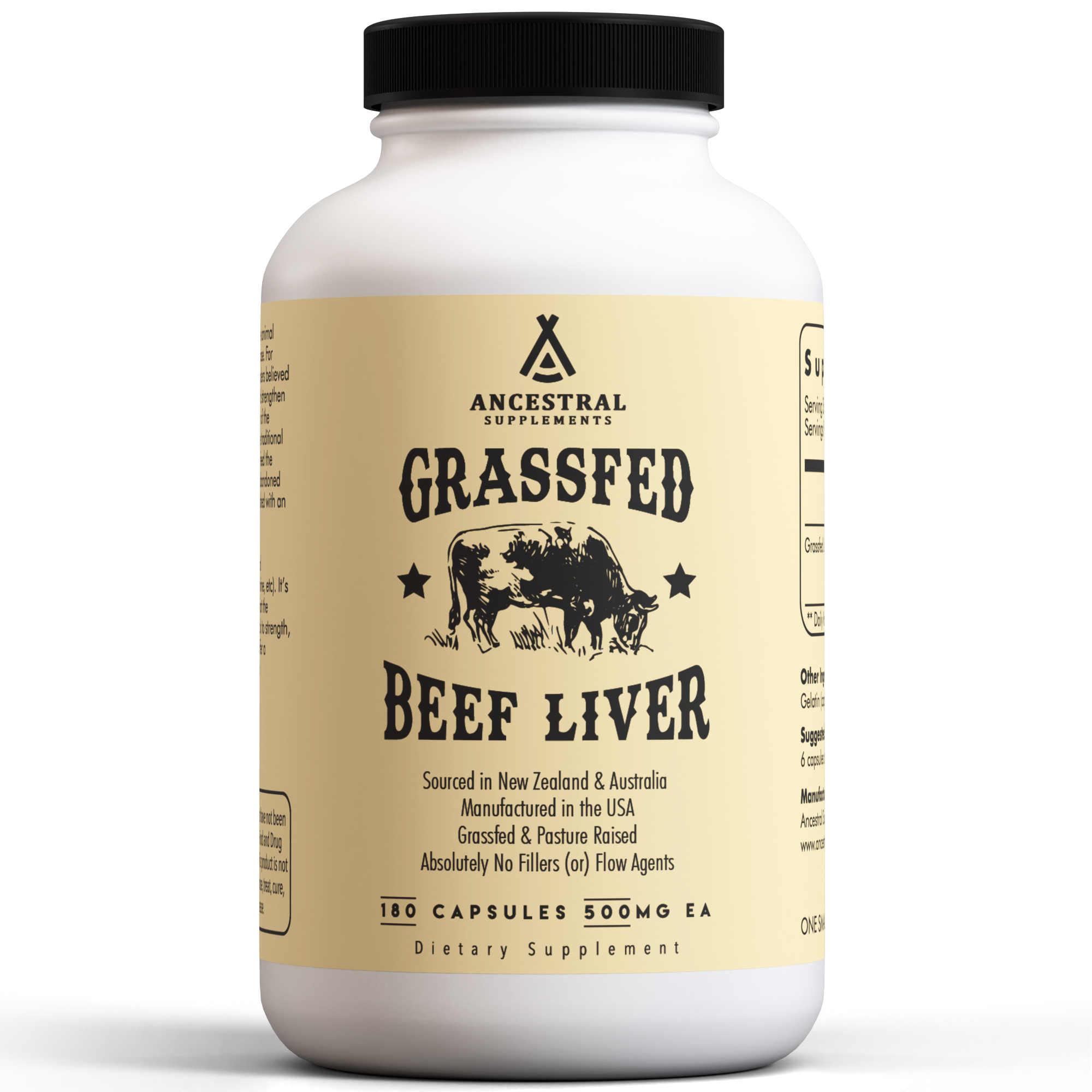
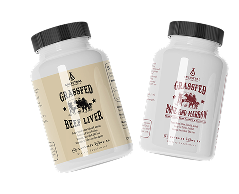
If you're willing to enjoy fresh liver, even one or two ounces per week can significantly boost the nutrient density of your diet. If not, Ancestral Supplements Grass Fed Beef Liver offers the same whole-food nutrition in convenient desiccated capsule form.
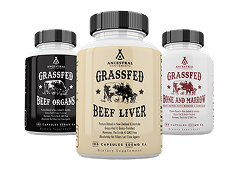
It's also included in the Ancestral Supplements Starter Pack, making it easy to incorporate one of nature's most nutrient-dense foods into your daily routine.
Our ancestors didn't just eat muscle meat. They practiced what is often called nose-to-tail eating, using nearly every edible part of the animal, including nutrient-rich organ meats.
Each organ contributes its own unique nutritional profile. For example, beef heart is naturally rich in CoQ10, a nutrient that helps support cellular energy production and cardiovascular health. Beef kidney provides vitamin B12, selenium, iron, and other micronutrients that are often lacking in the modern diet.
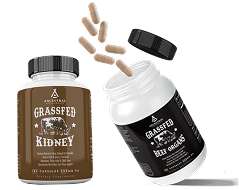
Rather than relying on a single organ, Ancestral Supplements Grass Fed Beef Organs combines liver, heart, kidney, pancreas, and spleen to provide a broader spectrum of nutrients traditionally consumed by ancestral cultures.
When you're eating fewer total calories, this diversity becomes even more valuable because it helps maximize the nutrition you receive from every serving, and that's exactly why ancestral supplements can be so beneficial.
Bone broth has been a staple in traditional diets for generations, and for good reason.
Made by slowly simmering bones and connective tissues, bone broth naturally contains collagen, glycine, glutamine, and other compounds that help support connective tissue, joint health, and the integrity of the digestive tract.
These nutrients may be especially beneficial during weight loss, when some people notice increased joint discomfort, slower recovery, or changes in overall resilience. Bone broth is also easy to digest, making it an appealing option when your appetite is low or when larger meals feel overwhelming.
If making homemade bone broth isn't practical, Ancestral Supplements Grass Fed Beef Bone and Marrow provides another convenient way to incorporate many of these traditionally valued nutrients into your routine while supporting bones, connective tissues, and overall nourishment.
Eggs are another ancestral superfood that's often misunderstood. While egg whites provide high-quality protein, the yolk contains the majority of the egg's vitamins, minerals, and healthy fats.
The yolk is particularly rich in choline, an essential nutrient that supports brain function, nervous system health, and normal liver function. Egg yolks also provide fat-soluble vitamins A, D, E, and K, which require dietary fat for optimal absorption.
Instead of throwing away the yolk, consider enjoying the whole egg to take advantage of its complete nutritional package.
Wild-caught salmon, sardines, mackerel, and anchovies are among the richest sources of omega-3 fatty acids, which help support brain health, cardiovascular function, healthy inflammation, joint comfort, and hormone balance.
Sardines are especially nutrient-dense because you eat the entire fish, including the small, soft bones, which provide calcium alongside high-quality protein and omega-3 fats in one compact serving.
In addition to eating oily fish, supplementing with our Wild Caught Fish Eggs can boost your intake of omega-3s, along with other nutrients like vitamin D and B vitamins.
You can no longer rely on the quantity of food to meet your nutritional needs; you have to rely on the quality of every bite.
By building your meals around nutrient-dense ancestral foods that kept people lean for generations, you can help naturally support healthy weight loss while continuing to nourish your muscles, metabolism, brain, joints, and overall health.
Breakfast:
Lunch:
Snack:
Dinner:
This menu provides around 100–120 grams of protein while emphasizing fiber, healthy fats, vitamins, and minerals instead of empty calories.
GLP-1 medications can be incredibly effective tools for weight loss, but they're still just that: tools. The healthiest, most sustainable results come from the habits you build while you're taking them.
One of the most important things you can do is stay engaged with your healthcare provider throughout your journey. Ask about periodically monitoring blood work, including HbA1c, vitamin D, and your lipid panel (cholesterol and triglycerides). These markers can help you and your provider track how your metabolism and overall health are responding as your diet and body weight change.
Just as important as nutrition is strength training.
Here's a simple way to think about it: Protein provides the building blocks. Resistance training tells your body where to use them. Together, they help preserve lean muscle while encouraging your body to burn fat instead.
You don't need to become a bodybuilder to see benefits. Aim for at least two resistance-training sessions per week, using whatever equipment you have available.
Bodyweight exercises, resistance bands, dumbbells, kettlebells, or barbells can all be effective ways to give your muscles a reason to stay.
Finally, think beyond the prescription itself.
Work with your healthcare provider to develop a long-term plan that includes nutrient-dense eating, regular movement, and sustainable lifestyle habits, which might include fasting (which serves as a metabolic reset). The more you build these habits now, the better prepared you'll be to maintain your progress, whether you continue taking a GLP-1 medication or eventually transition off it.

Walk into a grocery store today and you’ll find more choices than any previous generation could have imagined. The average U.S. supermarket carries...

The sun is setting earlier, but your schedule is the same and your to-do list hasn’t gotten any shorter. Despite the drive to hibernate, you still ...

Drinking enough water matters. But hydration involves more than water alone.If you've spent any time in the health world, you've heard it a thousan...

The Foods Once Valued Most Are Now the Ones Many IgnoreWalk through a grocery store, and you’ll see protein bars, cereal, yogurt cups, frozen meals...

If you've spent any time in the health world, you've probably heard wildly different opinions about fasting.Some experts warn that skipping meals c...


Register to receive a notification when this item comes back in stock.