

Your cart is empty
Explore our premium supplements to support your health and well-being.

Grass-fed organs for energy, hormones, and whole-body health.


When you hear the word “superfoods,” you probably think of kale, blueberries, or chia seeds.
But when scientists actually analyze the most nutrient-dense foods on Earth, those plant foods are not at the top of the list.
Instead, the top spots are dominated by foods many people today wouldn’t think to eat, especially organ meats like liver. These might make you pause, or even squirm, but they’re the very foods our species evolved on.
For thousands of years, traditional cultures across the world sought out and benefited from these foods above most others. They weren't aware of their exact nutrient profiles, but they saw the results: eating animals "nose to tail" usually helped people to be stronger, more resilient, and well-nourished.
More recently, studies confirm what these cultures instinctively knew: ancestral foods like organ meats (also called offal) contain some of the highest concentrations of bioavailable nutrients available.
Below, we break down the top 10 most nutrient-dense foods, ranked by their levels of vitamins, minerals, and functional compounds your body can actually use.
One of the key reasons these animal-derived foods rank so high is not just their nutrient content, but their bioavailability, meaning how easily your body can absorb and actually use those nutrients.
For example, iron found in animal foods (heme iron) is absorbed at rates of about 15–35%, while plant-based iron (non-heme) is often absorbed at less than 10%. The same goes for nutrients like vitamin A, B12, and certain fatty acids, which are either absent in plant foods or require conversion processes that many people perform inefficiently.
These foods are also uniquely rich in cofactors, which are compounds that help your body properly utilize vitamins and minerals. In nature, nutrients rarely exist in isolation. Instead, they come packaged together in precise ratios that support metabolism, energy production, hormone balance, and cellular repair.
This is one of the reasons why simply adding more calories or even more “healthy foods” doesn’t always resolve fatigue, low energy, or nutrient deficiencies. It’s not just about how much you eat, but how nutrient-dense and usable those nutrients actually are. Based on this, you can see why these ancestral foods consistently rank at the top of any "superfood" list.
Often called “Rocky Mountain oysters,” testicles have been consumed across cultures for strength, vitality, and reproductive health. From a nutritional standpoint, they provide nutrients that support hormone production, tissue repair, and overall vitality, including:
Historically, reproductive organs were often given to warriors or men seeking strength, based on the principle of “like supports like,” meaning that consuming a specific organ was believed to support the function and vitality of that same system in the body.
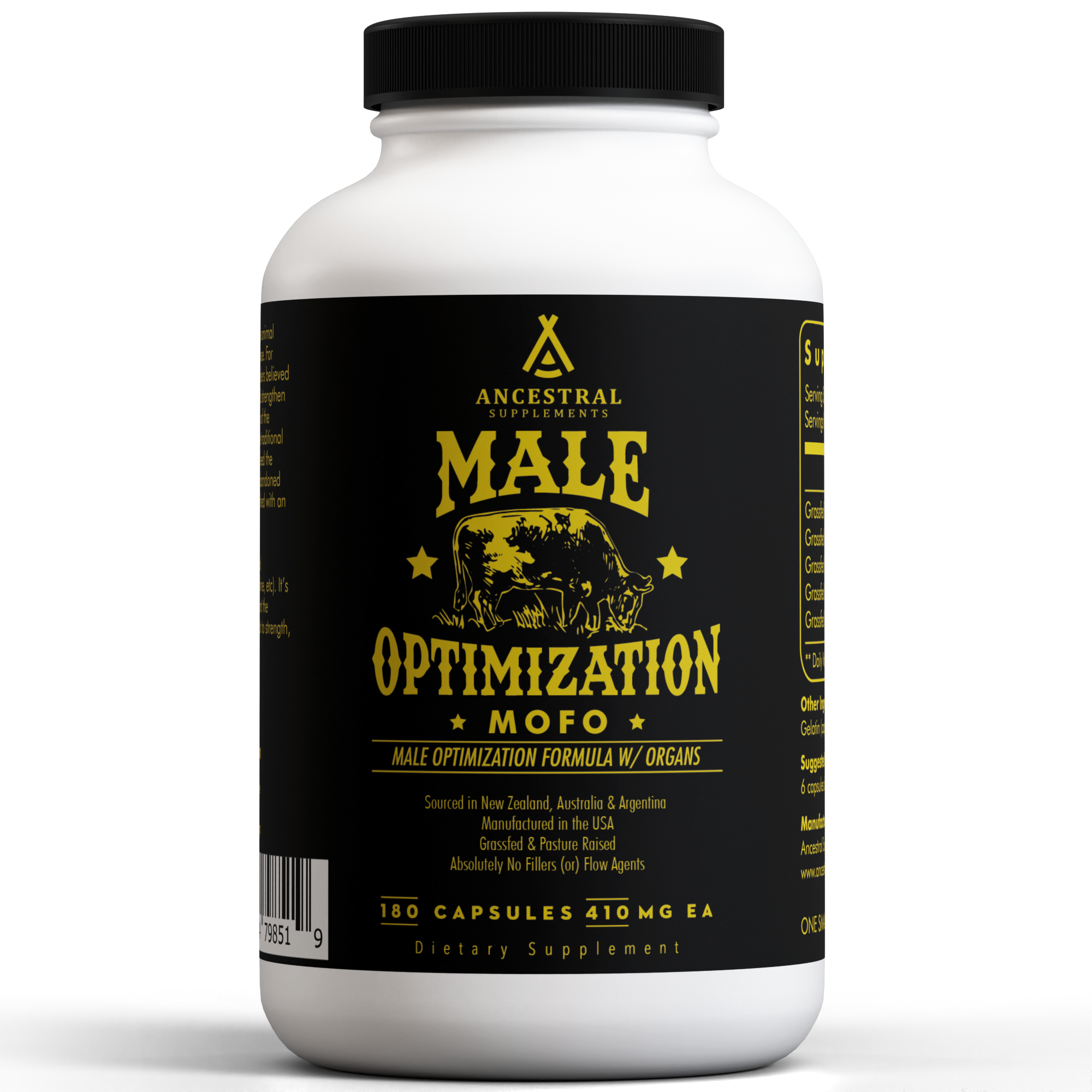
Today, this same concept lives on in formulas like MOFO (Male Optimization Formula), which provides a blend of ancestral organ nutrients without requiring you to cook them yourself.
Bone marrow is one of the oldest foods in the human diet and a dense source of energy. Archaeological evidence shows early humans cracking bones for marrow over 2.6 million years ago, likely because of its rich nutrient content.
Marrow is composed of roughly 70–80% fat, making it incredibly energy-dense. This high-fat content helped prevent what’s known as “rabbit starvation,” a dangerous condition that occurs when protein intake is high but fat intake is too low.
Bone marrow also provides nutrients like:
Today, Grass Fed Beef Bone and Marrow is a convenient way to access these traditional fats and nutrients without needing to source or prepare bones yourself.
It provides energy-dense, bioavailable fats along with fat-soluble vitamins that support hormone production, brain health, and cellular function. It also helps round out a diet that may be too lean, bringing back the balance of fat that was once a natural part of ancestral eating.
Known as sweetbreads in culinary traditions, the thymus is where T-cells mature, playing a central role in immune function. Sweetbreads have long been considered a delicacy in high-end European cuisine, despite being largely overlooked today.
Nutritionally, thymus is surprisingly unique because its:
Rather than preparing fresh sweetbreads, you can supplement with Grass Fed Ovine (Sheep) Thymus for many of the same benefits.
Colostrum, nature's first superfood, is the first milk produced after birth, made to support growth, immunity, and development. It’s incredibly rich in:
Overall, colostrum's unique nutritional profile makes it one of the most powerful ancestral superfoods for immune and gut health. Grassfed Beef Colostrum is one way to access these compounds, especially for those looking to support recovery, resilience, and digestion.
The pancreas is one of the most important organs for digestion and blood sugar balance, supporting how your body breaks down food and uses energy. When consumed as food, beef pancreas is surprisingly nutrient-dense, providing:
What makes pancreas especially unique is that it doesn’t just provide nutrients, it also delivers compounds directly involved in digestion itself. This can help support more efficient nutrient breakdown and absorption, particularly in people who struggle with bloating, heaviness after meals, or sluggish digestion.
For most of human history, these types of organs were part of regular nose-to-tail eating, naturally supporting digestive health without the need for separate supplements.
Today, for those who aren’t preparing organ meats at home, Grass Fed Beef Pancreas offers a practical way to bring these benefits back in, providing targeted digestive support in a simple, consistent form.
Beef spleen is one of the most concentrated sources of heme iron available. Just 100 grams can provide:
Iron deficiency remains one of the most common nutrient deficiencies worldwide, especially among women. Grass Fed Beef Spleen capsules are a targeted way to support healthy iron levels and energy.
From this point forward, the foods on this list aren’t just nutrient-dense. They’re nutrient powerhouses. These are the foods that traditional cultures prioritized for:
That's because they deliver the highest concentration of nutrients in the smallest volume of food.
The heart is one of the hardest-working muscles in the body, beating over 100,000 times per day. To sustain that, it’s packed with nutrients that support energy production:
Unlike other organs, beef heart has a mild flavor and texture similar to lean steak, making it one of the easiest to incorporate, such as in meatballs or burgers. If preparing it at home isn’t practical for you, Grass Fed Beef Heart delivers these nutrients in a simple, consistent form.
Fish eggs, also known as roe, are one of the richest sources of omega-3 fatty acids, especially DHA. Why does that matter? Because the brain is about 60% fat, much of it is made up of DHA, a fat that has anti-inflammatory and cognitive-boosting effects.
Fish eggs provide:
These nutrients support brain function, inflammation balance, and overall neurological health, and they're available in Wild-Caught Fish Eggs.
Beef kidney is one of the most underrated foods when it comes to organ meat benefits, yet it delivers an impressive concentration of nutrients that support energy, resilience, and metabolic health. Kidney is especially rich in:
What makes kidney even more interesting is its role in the body itself. Kidneys are responsible for filtering blood, maintaining fluid balance, and regulating electrolytes. Because of this, they're often associated with detoxification and internal balance, both symbolically and nutritionally.
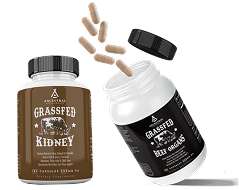
For those looking to support these systems without preparing kidneyt home, Grass Fed Beef Kidney is a great way to access these nutrients, without the strong taste that often turns people away from traditional preparations.
If there were a gold standard for the most nutrient-dense foods, it would be liver. Nothing else comes close. Just a small serving of beef liver (about 100 grams) provides:
What makes liver truly unique is not just the quantity of nutrients, but their bioavailability.
Take vitamin A, for example. Liver contains the form of vitamin A called retinol, the active type that your body can use immediately. In contrast, plant-based sources provide beta-carotene, which must first be converted, a process that many people do inefficiently.
This is one of the reasons that liver has earned the title “nature’s multivitamin," and why it's one of the best foods for lowering your risk for common nutrient deficiencies (like low iron and B12). Traditional cultures recognized its value long before modern nutrition science existed. Liver was often reserved for:
It was considered one of the most important foods for building strength, resilience, and vitality.
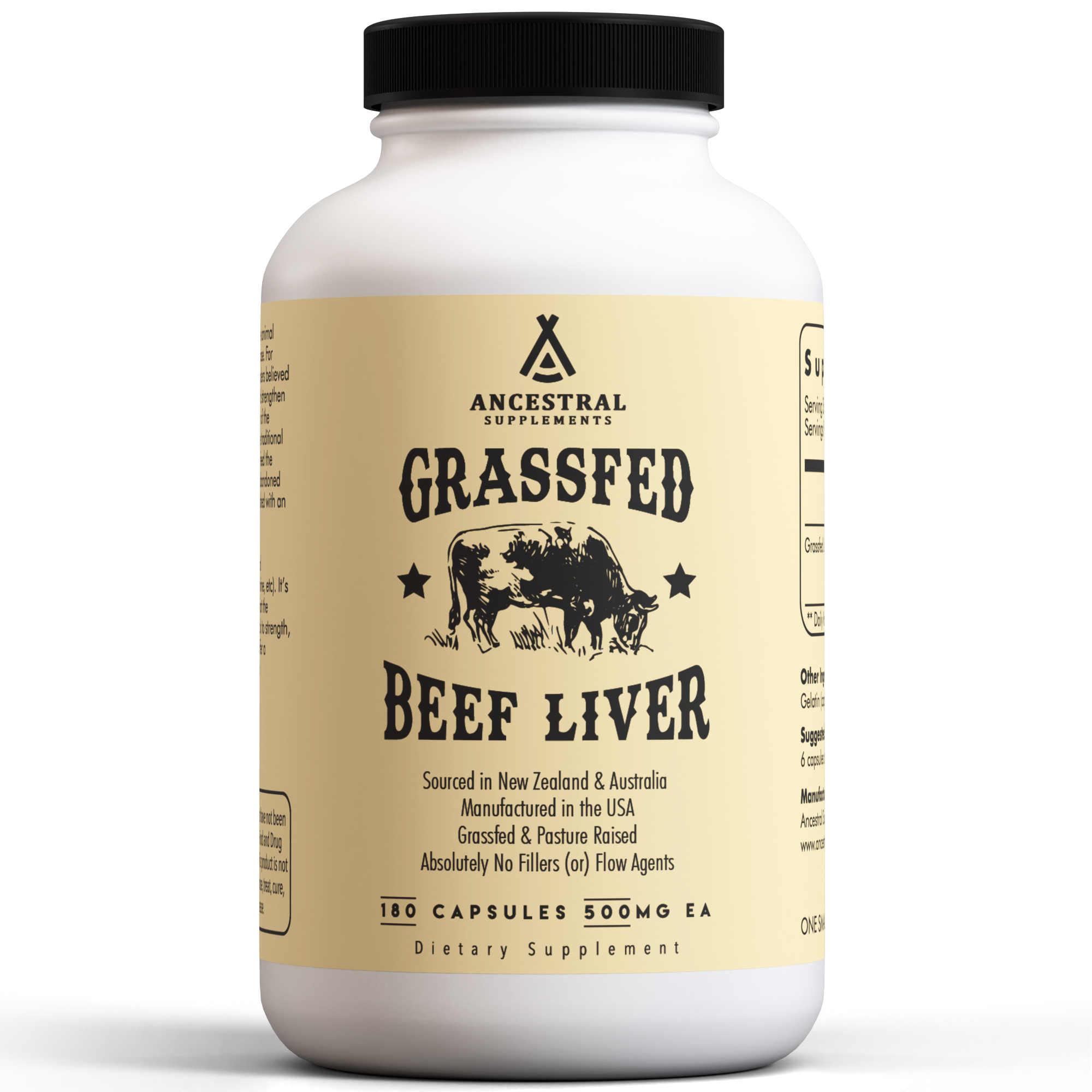
Today, Grass Fed Beef Liver remains one of the most powerful and accessible ways to bring this level of nutrient density back into a modern diet, especially for those who may not regularly consume organ meats.
And if you like the idea of adding multiple superfoods to your diet, but aren’t ready to source and prepare organs yourself, there’s a simpler way to bring this level of nutrient density into your routine.
Grass Fed Beef Organs combines several of the most nutrient-dense ancestral foods into one convenient formula, including:
Instead of focusing on just one organ, this all-in-one supplement mirrors traditional nose-to-tail eating, giving you a broad spectrum of nutrients.
Humans have practiced nose-to-tail eating for almost all of history, consuming not just muscle meat, but organs, marrow, and connective tissues. There's a reason why: these foods provided everything needed to:
Most people's diets today, by contrast, focus heavily on processed foods, refined carbohydrates, added sugar and oils, and muscle meat alone. This shift has dramatically reduced overall nutrient intake.
In many ways, the modern food system has created a gap between calories and nutrients, where people consume enough energy, but not enough micronutrients. And that's exactly why ancestral diet-inspired supplements can go a long way in providing much-needed nutrients that many people are missing.
You don’t need to eat all 10 foods on this list. In fact, most people start with just one or two. Here are some practical ways to begin:
If you’re new to organ meats, start low and go slow. Choose high-quality, grass-fed, and pasture-raised sources for the most nutrients and greatest benefits.
The most powerful superfoods aren’t new, trendy, or difficult to find. They’re foods that humans living all around the world have relied on for many thousands of years. Organs, marrow, colostrum, and fish eggs were never considered “extreme.” They were considered essential parts of a nourishing diet.
Even though most people avoid foods like organ meats and bone marrow, these are, in fact, the most nutrient-dense foods available to humans.
Not ready to find and cook organ meats yourself? You don't necessarily have to. You can still benefit from them by adding dessciated organ supplements ot your routine instead. Explore our complete organ supplement collection here.

Walk into a grocery store today and you’ll find more choices than any previous generation could have imagined. The average U.S. supermarket carries...

The sun is setting earlier, but your schedule is the same and your to-do list hasn’t gotten any shorter. Despite the drive to hibernate, you still ...

Drinking enough water matters. But hydration involves more than water alone.If you've spent any time in the health world, you've heard it a thousan...

The Foods Once Valued Most Are Now the Ones Many IgnoreWalk through a grocery store, and you’ll see protein bars, cereal, yogurt cups, frozen meals...


Register to receive a notification when this item comes back in stock.