

Your cart is empty
Explore our premium supplements to support your health and well-being.

Grass-fed organs for energy, hormones, and whole-body health.


Your gut lining is one cell thick, about 20 to 40 micrometers, which is thinner than a human hair. That single layer might seem small, but it's what decides what enters your bloodstream and what stays out.
When that barrier weakens, tiny particles that should stay in the gut can start slipping through, and as a result, it can trigger symptoms like bloating, fatigue, brain fog, joint discomfort, and food sensitivities.
Most people try to fix this by adding probiotics, sometimes even complex ones with various strains, higher doses, and a high price tag. But none of that directly repairs the barrier itself.
However, colostrum, one of the most nutrient-dense foods on earth, does.
In this article, you’ll learn what colostrum actually is, why it works so differently from probiotics, and how its unique compounds help strengthen and repair the gut lining. We’ll also walk through the research showing how it reduces intestinal permeability under stress, and how you can start using it in a practical way to boost your immune system and more.
Colostrum is the first milk produced by mammals in the hours right after birth. It looks similar to regular milk, but the composition is completely different.
Instead of acting as a basic food source like milk, colostrum delivers unique compounds that build the immune system, as well as concentrated instructions that help strengthen the gut lining and recover from stress.
Compared to regular milk, colostrum contains:
Colostrum is capable of building and protecting tissues fast, especially in the gut, where early survival depends on a strong barrier. About 70-80% of the immune system is located inside the gut, which is why gut health is so important for overall resilience and wellbeing, no matter your age. A healthy gut is also critical for actually absorbing the nutrients you consume, which means paying attention to gut health is one smart way to protect against common nutrient deficiencies.
There isn't only one active ingredient found in colostrum. Rather, it features a rare combination of compounds that work together inside the gut. Here's more about the compounds that form colostrum and their main benefits:
Immunoglobulins (IgG, IgA, IgM):
These antibodies bind to bacteria, viruses, and toxins. They limit how much of those substances can interact with the intestinal wall.
Lactoferrin:
This protein binds iron, which harmful bacteria need to grow. It also helps regulate inflammation and supports immune balance.
Growth factors (IGF-1, TGF-beta, EGF, PDGF, VEGF):
These stimulate repair of intestinal cells and help rebuild the lining after stress or damage.
Antimicrobial peptides:
Natural defense compounds that help control unwanted microbes.
Glycoproteins:
Support communication between immune cells.
Prebiotic compounds:
These feed beneficial bacteria already living in the gut.
The gut does a lot more than just handle digestion. It's involved in maintaining your energy, your immune system, and how your body reacts to food day to day.
At the center of this is the intestinal barrier itself, which has a very demanding job. This one-cell-thick intestinal barrier has to absorb nutrients like amino acids and vitamins while blocking harmful bacteria, toxins, and partially digested food.
This barrier is made up of tightly connected cells, held together by structures called tight junctions. You can think of them like gates that open and close as needed. Under stress (such as from intense exercise, illnesses, and more), those gates can loosen, and when that happens, things start slipping through that shouldn’t.
This is known as increased intestinal permeability, often referred to as leaky gut. Once these unwanted particles enter circulation, the immune system reacts, and that’s where symptoms often begin, including those you wouldn't expect to stem from gut dysfunction, like:
It might sound extreme, but it’s not rare. With common stressors like intense exercise, poor sleep, illness, or ongoing inflammation, this can happen more easily than most people realize.
This is where colostrum becomes especially relevant. It provides compounds that support the gut barrier directly, helping the body repair and maintain this system. It doesn’t replace a good diet or healthy habits, but it gives your body the signals it needs to strengthen the lining itself.
Human research shows that colostrum can reduce stress-related increases in gut permeability by 70-80%, which is a meaningful shift in how the gut holds up under pressure.
You don’t need a diagnosed condition to experience increased permeability. Everyday factors can potentially contribute to gut dysfunction, including:
Even healthy habits, like training hard or dieting, can temporarily increase stress on the gut lining, and that’s why supporting the barrier matters even if you’re otherwise healthy.
Colostrum works at the level of the gut lining itself. It doesn’t rely on adding bacteria, but actually helps the body repair and maintain its own structure, including by reducing inflammation.
Here’s what happens when you take it consistently.
When used consistently, colostrum can help improve how your gut functions day to day.
And what’s interesting is that researchers have actually tested this under real stress conditions, not just in ideal settings.
Here’s what they found:
What’s just as surprising is that you don’t need a high dose to see benefits. In one study, people took just 500 milligrams per day for 20 days, and their gut permeability returned to normal levels. Zonulin, a marker tied to how tightly the gut lining holds together, also decreased.
So, whether it’s a lower daily dose or a higher intake during periods of stress, the research shows the same pattern: colostrum helps the gut barrier hold its ground when it matters most.
Probiotics mainly work by adding beneficial bacteria to the gut. In some cases, that can help improve microbial diversity, which often supports digestion and immune function.
But microbial diversity doesn’t directly address the condition of the gut barrier itself.
If the gut lining is compromised, adding more bacteria doesn’t stop unwanted substances from passing through. The issue isn’t just what’s in the gut; it’s what’s getting through the gut wall, which is where colostrum becomes beneficial.
Instead of introducing bacteria, colostrum helps repair and strengthen the gut lining itself. Through compounds like immunoglobulins, lactoferrin, and growth factors, it can reinforce tight junctions, support cellular repair, and improve how the barrier functions day to day.
Once the barrier is stronger and more selective, the entire gut environment usually improves. Nutrients are absorbed more efficiently, harmful particles are kept out, and the microbiome has a more stable foundation to function on its own.
Colostrum represents one of nature's most sophisticated designs: a concentrated delivery of antibodies, growth signals, and repair molecules, all packed into a single food.
Every mammal consumes colostrum at the start of life because it's how the body prepares for exposure to the outside world. The gut has to become selective fast as a matter of survival. It needs to absorb nutrients while blocking pathogens, often within hours of birth, and colostrum supports that process.
Traditional cultures recognized this, even though they didn't have the scientific support that we do today. For instance, in some pastoral communities, an ancestral practice was to consume the first milk from animals, whether fresh or fermented. They saw the effects when people consumed colostrum: often greater strength, recovery, and resilience.
Fresh colostrum isn’t part of most modern diets, but supplements provide access to the same compounds
Our Grass Fed Beef Colostrum is a pure bovine colostrum sourced from pasture-raised cows, which retains the immunoglobulins and growth factors that support gut integrity, immune function, and recovery.
You can choose to supplement with colostrum by taking:
Research shows benefits across a wide range of colostrum intakes:
For most people, starting with a smaller amount at first works well. Begin with 1 to 2 capsules daily, then increase gradually if needed. For the greatest results, take colostrum consistently rather than sporadically
When will you see a change? Some people notice changes in digestion or energy within a few weeks. Even greater improvements in immune defenses can take weeks to months.
Grass Fed Beef Colostrum works well on its own, but it can also fit into a broader strategy for gut support that includes other helpful ancestral organ meat supplements.
Here's what we recommend to help address different aspects of gut health, from structure to nutrient support:
This idea suggests that consuming specific organs may help support the function of those same systems in the body.
In that context, Grass Fed Beef Intestines (with bovine stomach/tripe) provides nutrients associated with intestinal tissue itself. For example, while colostrum works by assisting in gut lining repair, beef intestines offer structural and tissue-specific compounds that can further support gut health.
Used together, these supplements create a more well-rounded approach, supporting both the function and the physical integrity of the gut lining.
The intestinal barrier is thin, active, and under constant demand. It has to respond to food, stress, and environmental exposure every day.
Colostrum supplies antibodies, growth factors, and signaling molecules that help maintain that barrier.
Consuming colostrum for its various health benefits is an approach that has been part of mammalian biology for millions of years. It’s still relevant now, especially in a context where stress, training, and modern diets can strain the gut.
For people dealing with bloating, fatigue, or inconsistent digestion, or for those who want to support recovery and resilience, colostrum offers a different angle. Colostrum makes a great leaky gut natural remedy as it supports the integrity of the gut barrier first, and that changes how everything else functions.
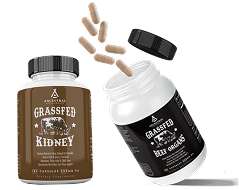
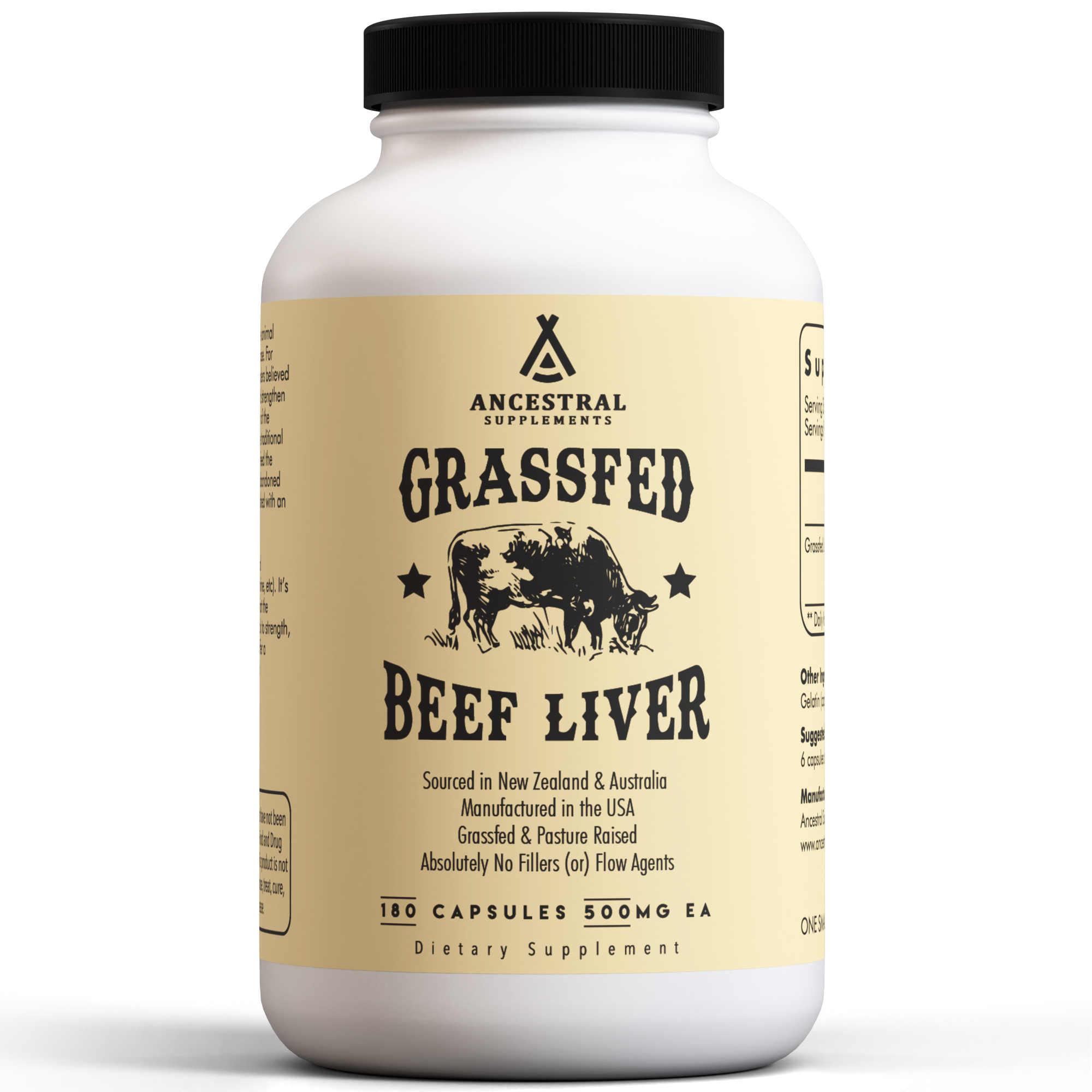
Explore our complete gut health collection: Grass Fed Beef Colostrum, Grass Fed Beef Liver, Grass Fed Beef Organs, Ancestral Protein Powder, and Grass Fed Beef Intestines.

Halloween used to be about costumes, neighbourhood walks, and a little mischief. Now it’s hard to imagine the holiday without heaps of candy at the...

Walk into a grocery store today and you’ll find more choices than any previous generation could have imagined. The average U.S. supermarket carries...

The sun is setting earlier, but your schedule is the same and your to-do list hasn’t gotten any shorter. Despite the drive to hibernate, you still ...

Drinking enough water matters. But hydration involves more than water alone.If you've spent any time in the health world, you've heard it a thousan...


Register to receive a notification when this item comes back in stock.