

Your cart is empty
Explore our premium supplements to support your health and well-being.

Grass-fed organs for energy, hormones, and whole-body health.


Walk through a grocery store, and you’ll see protein bars, cereal, yogurt cups, frozen meals, chicken breast, lean beef, and rows of fortified snacks.
What you usually won’t see much of are liver, heart, kidney, marrow, tripe, or other organ foods. That’s a strange shift when you consider human history.
For most of our time on earth, organs were prized foods. They weren’t treated like scraps or waste. They were intentionally sought out because people noticed these foods were linked with strength, stamina, fertility, resilience, and recovery.
Nutrition labels didn’t exist, and they didn’t need to. People watched how families grew, how hunters performed, how mothers recovered, and how elders aged.
Across continents and cultures, people kept returning to the same animal foods packed with nutrients, especially organs.
Somewhere along the way, modern diets moved away from them. This page explains why organs were valued, why they’re so nutrient-dense, why many diets abandoned them, and why they still make sense now.
The habit of eating mostly muscle meat is new.
For thousands of years, getting food required cooperation, patience, skill, and risk. When an animal was harvested, it was respected and used fully. Meat had value, but organs often received special attention.
Traditional cultures repeatedly prized organs like liver, heart, kidneys, bone marrow, brain, spleen, and fat-rich tissues.
Hunters, elders, pregnant women, growing children, and recovering members of the group were often given the most nourishing parts first.
That pattern appears again and again because people observed what worked. They noticed which foods supported growth, endurance, fertility, and recovery. No laboratory was needed for that conclusion.
Today, many animals are reduced to a few familiar cuts, such as steak, ground beef, chicken breast, or lean pork chops.
Meanwhile, organs tend to be discarded, exported, rendered into low-value byproducts, or ignored altogether.
That means many people eat enough calories and sometimes even enough protein, but they still miss out on foods that once supplied concentrated amounts of essential vitamins, minerals, peptides, enzymes, and supportive fats.
This style of eating is new on the human timeline.
At the same time, low energy, nutrient gaps, poor recovery, and heavy dependence on synthetic supplements have become common. Organs aren’t the only answer, but they deserve a fair hearing.
If you compare foods ounce-for-ounce, organs often rank near the top for nutrient density.
They tend to provide higher concentrations of nutrients that many people need more of, including vitamin A (retinol), vitamin B12, folate, iron, zinc, selenium, choline, and more.
A modest serving of organ meats can deliver nutrients that would require much larger portions of other foods.
That matters because people's stressful lives today increase their nutrient demand. Busy schedules, hard training, poor sleep, pregnancy, aging, and highly processed diets can all raise the need for nourishment, while at the same time, narrowing what people eat.
Organs help close that gap with real food.
A nutrition label only tells part of the story.
What also matters is how well your body can absorb, use, transport, and store nutrients. This is where whole foods often shine.
Organs contain nutrients in a natural food matrix alongside proteins, enzymes, fats, and companion compounds that help those nutrients function in the body.
For example, heme iron from animal foods is generally absorbed more efficiently than many plant forms of iron. Retinol, the ready-to-use form of vitamin A found in foods like liver, can be used directly by the body without needing conversion.
B vitamins arrive alongside other nutrients they often work with in metabolism and energy production. Minerals such as copper and iron are naturally present together in whole foods, where they play complementary roles in processes like oxygen transport and healthy blood formation. Fat-soluble vitamins are also paired with natural fats, which help support their absorption and use.
Many isolated supplements can be useful. They also don’t fully replicate the complexity of real food. That’s one reason organ foods have stayed relevant for generations.
In many traditional cultures, a belief was held that specific foods could help nourish the systems they resemble or come from.
For instance, consuming beef heart supported someone's own heart. Bone broth was supportive of joints and connective tissue, brain helped promote cognitive vitality, and so on.
These foods aren’t magic, but they are concentrated sources of nutrients with tissue-specific profiles that deserve respect.
We know from more recent research that organs contain nutrients tied to the tissues they come from.
Heart tissue provides compounds such as CoQ10 and taurine, both associated with energy production and cardiovascular function. Liver serves as a storage organ for many vitamins and minerals, which helps explain its dense nutritional profile.
Cartilage contains structural compounds involved in connective tissue support, while marrow provides fats and other nutrients that help nourish cells and tissues throughout the body.
Our ancestors would have thought that wasting the best parts of an animal made little sense. Harvesting life carried responsibility, and that meant approaching animals with a sense of gratitude and care, and using them fully.
Nose-to-tail eating supports a more thoughtful relationship with food. It reduces waste by making fuller use of each animal, while also honoring the value of the life that provided nourishment. It helps people stay connected to where food actually comes from, rather than seeing it only as packaged products on a shelf.
Eating a wider range of animal foods also provides access to a broader spectrum of nutrients. Just as important, it keeps older food traditions alive and maintains a steadier connection to ways of eating that sustained people for generations.
Whole-animal eating pairs naturally with pasture-based and regenerative farming, too, where grazing patterns, soil health, and animal care still matter.
It’s a more grounded relationship with food than treating animals as a source of only boneless cuts wrapped in plastic.
Several forces have contributed to organs disappearing from most people’s diets.
Convenience pushed demand toward quick, familiar cuts that are easy to cook and easy to market. Industrial food systems rewarded standardization, which favored uniform products over whole-animal eating.
Taste preferences shifted as fewer families grew up eating these foods at home. Cooking skills that were once passed down across generations were gradually lost.
Many people never learned how to prepare organs or why they mattered. They became disconnected from farming, butchery, and the realities of how food is raised and prepared. At the same time, fortified processed foods promised nutrients in a simpler, more convenient package.
Something normal became “weird” in just a few generations.
The need for nourishment hasn’t changed. At the same time, many people eat repetitive diets built around convenience foods and a narrow set of ingredients.
That creates a gap. Organ foods can help fill it with concentrated nutrition from a real food source.
Many people who add organs back into their routine report feeling a noticeable difference over time. Common benefits include steadier energy throughout the day, better recovery after training or busy weeks, fewer cravings, and greater consistency with nutrition goals because they feel better nourished. Many also describe a stronger overall sense of vitality and resilience.
Experiences vary, but the logic is clear: when nutrient intake improves, people tend to feel the difference.
Aren’t Organs Weird?
Only by recent cultural standards. For most humans who ever lived, organs were normal food.
Do I Need to Eat Them Every Day?
No. Even occasional use, such as 1-3 times a week, can improve your overall nutrient intake.
What If I Don’t Like the Taste?
Many people start by mixing small amounts (about an ounce) into ground meat, such as liver in meatballs or meatloaf, for example. Or, for even more convenience, you can choose freeze-dried organ supplements made from real organs.
Is Muscle Meat Enough?
Muscle meat provides protein and some useful nutrients.
But whole-animal eating provides a broader nutritional profile, such as higher amounts of vitamin A, B12, heme iron, copper, CoQ10, collagen-building compounds, glycine, healthy fats, and other supportive nutrients that are concentrated in organs, marrow, and connective tissues.
Our ancestors built themselves from real food. They valued the densest sources of nourishment. They wasted little and paid attention to what helped people stay strong and capable.
We can learn from that.
We believe whole foods come first. We also know modern schedules, access, cooking skills, and taste preferences can make traditional eating harder than it should be.
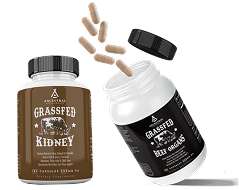
That’s why more people are turning back toward organ foods, whether through cooking, sourcing from local farms, or convenient freeze-dried options made from grass-fed, pasture-raised animals.
The goal is straightforward: make the foods humans once valued most practical again.
You don’t need to live perfectly, move to a farm, or cook every meal from scratch. You can start small with one meal, one habit, or one nutrient-dense addition to your week.
If life has pulled you away from how humans were meant to eat, organ foods are one realistic way back.

Halloween used to be about costumes, neighbourhood walks, and a little mischief. Now it’s hard to imagine the holiday without heaps of candy at the...

Walk into a grocery store today and you’ll find more choices than any previous generation could have imagined. The average U.S. supermarket carries...

The sun is setting earlier, but your schedule is the same and your to-do list hasn’t gotten any shorter. Despite the drive to hibernate, you still ...

Drinking enough water matters. But hydration involves more than water alone.If you've spent any time in the health world, you've heard it a thousan...


Register to receive a notification when this item comes back in stock.