

Your cart is empty
Explore our premium supplements to support your health and well-being.

Grass-fed organs for energy, hormones, and whole-body health.


If weight loss feels harder than it should, there's a reason why. Our bodies are wired to seek out essential nutrients, especially protein, and when those needs aren’t met, our appetites can stay elevated even if we’ve technically eaten “enough.”
Nearly three-quarters (74%) of American adults are now overweight or obese, and rates of metabolic diseases like type 2 diabetes, fatty liver disease, and insulin resistance continue to climb. Despite decades of weight loss advice telling us to “eat less and move more,” the obesity epidemic hasn't moved in the right direction.
So what’s missing? According to Dr. Jason Fung, a nephrologist and bestselling author of The Obesity Code and The Diabetes Code, the biggest misunderstanding about weight loss is that it’s simply about willpower or calories.
In reality, hormones, metabolism, and nutrient density are also involved in weight management, and to a greater extent than many realize.
In a recent conversation with Dr. Fung, he explained why fat loss can stall or feel impossible despite our best efforts, how insulin drives metabolic disease, and why some of the most powerful metabolic foods are the ones our ancestors prioritized for thousands of years.
In this article, you'll learn why mostly overlooked “superfoods” for metabolic health are not exotic powders or trendy ingredients, but nutrient-dense foods—mostly of which are derived from animals—that humans have always eaten.
We've all heard the advice to eat less, exercise more, and use willpower to trim down.
But this approach usually fails because it doesn't take into account that calorie intake alone doesn't determine someone's body weight.
Obesity rates would not have skyrocketed over the past 50 years if "calorie awareness" were all that mattered. Most adults now understand what they "should" be eating, but putting the advice into practice doesn't typically lead to the weight loss results that would be expected.
Dr. Fung argues that the eat-less-move-more perspective misses one of the real drivers of fat storage: hormonal dysfunction, particularly insulin resistance.
He believes that obesity is less about overeating and more about hormones that tell the body to hold onto fat.
Your body doesn’t treat every calorie the same way. Certain foods stimulate hormones that determine whether energy is burned or stored. And insulin sits at the center of that system.
Insulin is a hormone that's released when we eat, especially when we consume carbohydrates, sugar, and processed foods.
Inulin's primary job is to help move glucose (sugar) from the bloodstream into cells. Beyond this, it has another powerful function: it tells the body when to store fat.
If your insulin levels remain high for long periods of time, your body becomes better at storing energy and less efficient at burning it. Over time, this leads to:
Insulin’s influence doesn’t stop there either. Over time, chronically elevated insulin can shift the body’s “defended” weight range, making it harder to lose fat even when calorie intake drops.
Just as your body works to maintain a stable internal temperature, it also tends to defend a certain body weight—what Dr. Fung describes as someone's metabolic set point.
Learning to better manage insulin is a huge step in the right direction. That’s why strategies like fasting, reducing ultra-processed foods, and lowering sugar intake can help many people improve their metabolic health.
But some people reach a frustrating plateau even when their blood sugar improves, and their insulin levels drop. For example, fat loss might slow or stop despite eating low-carb and exercising more.
Why? Because their metabolism doesn’t run on hormones alone. It also requires nutrients.
Hormones act like signals, as they tell different organs what to do, but you still need the raw materials—in the form of nutrients—that are required to carry out metabolic processes. Without those nutrients, your metabolism can stall.
Most people's diets today provide plenty of calories, and often even more than are needed, but surprisingly few micronutrients.
This phenomenon is sometimes referred to as “hidden hunger"—meaning you might be consuming enough food, but still be driven to eat more because you're missing key vitamins, minerals, and cofactors that regulate energy production, hormone production, and cellular repair.
One of the biggest changes in the modern food environment is not just the rise of processed foods, but the decline in nutrient density.
Most ultra-processed foods are engineered (since they're at least partially man-made) to be:
At the same time, these foods frequently contain few vitamins, minerals, and bioactive compounds, especially compared to unprocessed, whole foods.
Even many foods that appear “healthy” today, like some vegetables, for example, lack the nutrient diversity that traditional diets once provided, due to reasons like poor soil quality and long transport times.
Historically, humans consumed animals "nose-to-tail," meaning they ate almost all edible parts of the animal, not just the "muscle meat," which dramatically increased their nutrient intake.
A nose-to-tail approach to eating meant that it was common to consume:
These foods delivered concentrated amounts of nutrients such as iron, zinc, vitamin A, and more that support metabolic health.
When we zoom out and look at traditional diets across different cultures, we see a pattern: humans prioritized nutrient-dense foods, which usually meant animal parts.
Many hunter-gatherer societies valued organ meats above all other foods.
Anthropologists studying traditional diets have found that organs were frequently reserved for hunters, elders, pregnant women, or children because of their extraordinary nutritional value.
Beef liver, in particular, stands out as one of the most nutrient-dense foods humans have ever eaten. Just a small serving of liver provides high levels of:
Among traditional foods, liver has long been considered a metabolic superfood. In fact, many cultures viewed it as "nature’s multivitamin."
Liver is incredibly dense in the nutrients required to support:
Nutrient density matters for your metabolism because your body cannot regulate hormones, repair tissues, or generate energy without the proper nutritional foundation.
Organ meats can go a long way in boosting nutrient intake and potentially helping to lower the risk of common nutrient deficiencies.
But despite their nutritional value, they've largely disappeared from most people's diets, and there are several reasons for this:
The result is that some of the most nutrient-dense foods humans once relied on are now rarely consumed. This creates a gap between the nutrition our bodies evolved to expect and what many people actually eat.
Ideally, we should obtain all the nutrients we need from real, whole foods.
Whole foods provide complex combinations of vitamins, minerals, enzymes, and cofactors that work together in ways science is still uncovering. Taking synthetic, isolated supplements can't replicate what real food can provide.
Today, it can be challenging to eat nose-to-tail. Not everyone has access to high-quality organ meats. Not everyone enjoys their flavor, and finding time to shop for and prepare organ meats can be difficult.
This is where whole-food-derived supplements can serve as a practical bridge.
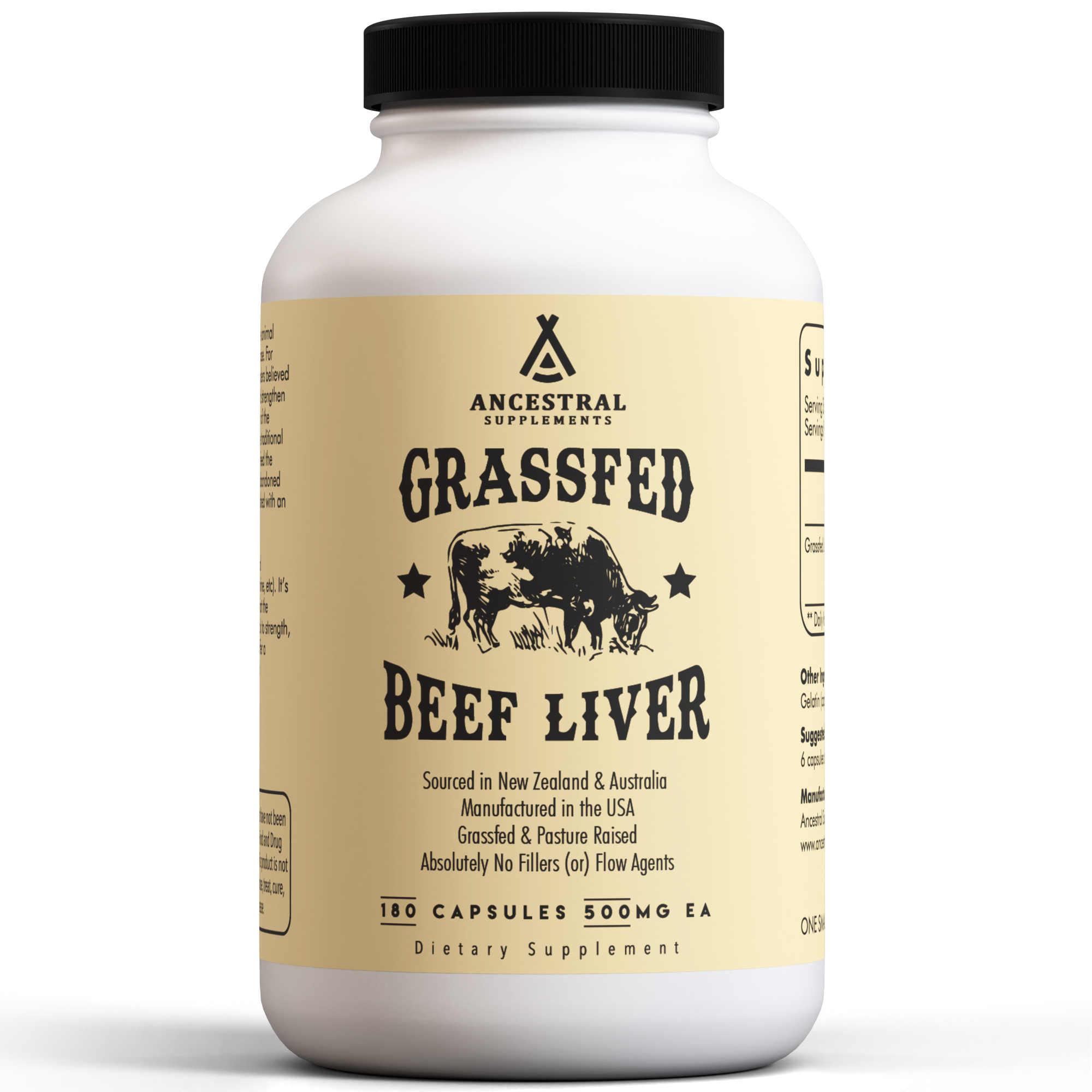
High-quality beef liver supplements, such as Ancestral Supplements Grass Fed Beef Liver, provide freeze-dried liver sourced from grass-fed cattle, delivering the same nutrient density in a more convenient form.
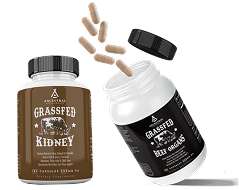
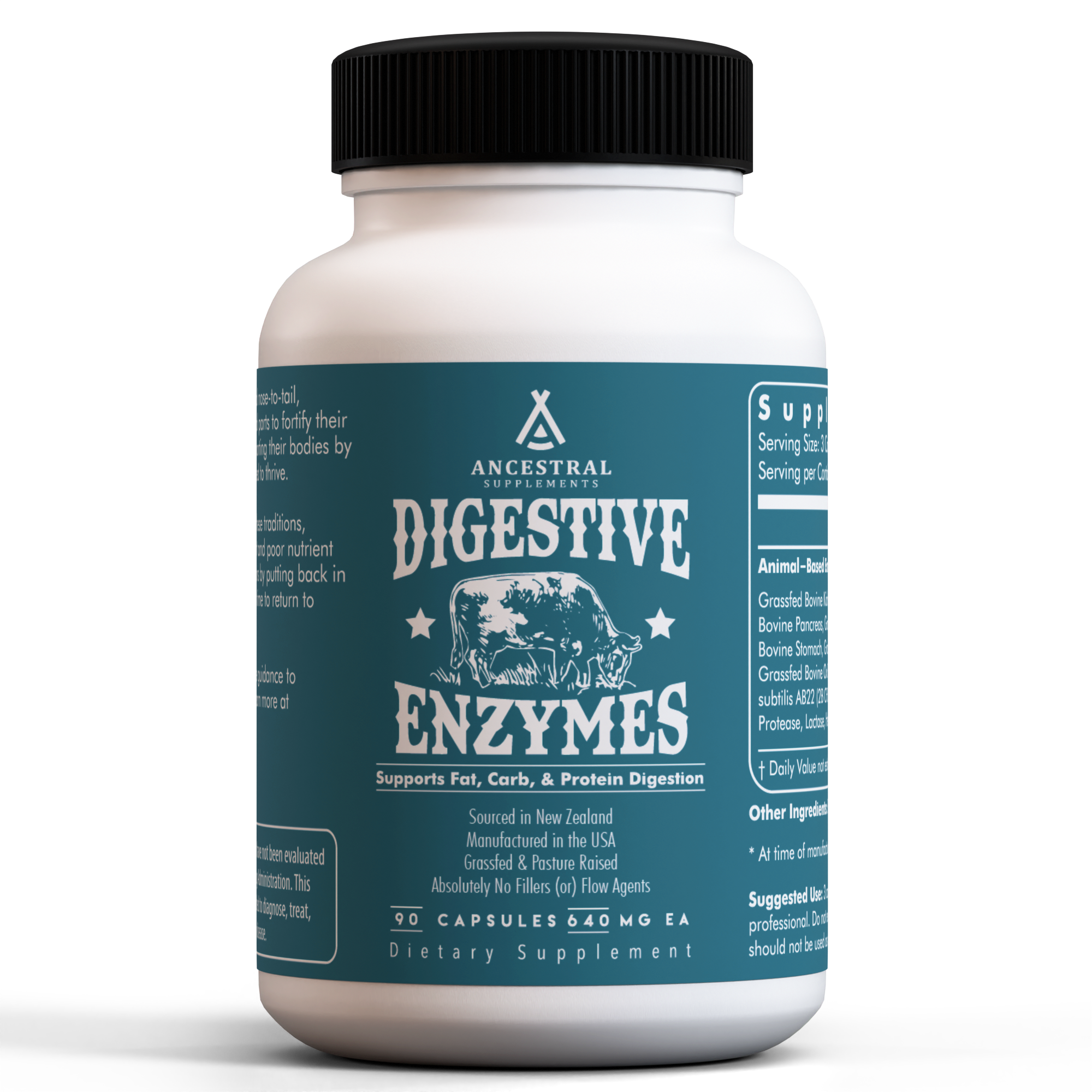
Rather than replacing whole foods, desiccated organ supplements—like Grass Fed Beef Organs, Grass Fed Beef Kidney, Grass Fed Beef Heart, or Grass Fed Living Collagen—help reintroduce the nutritional principles of ancestral eating patterns.
When your metabolism improves, weight regulation usually becomes easier. This happens because nutrient-dense foods help support systems that influence your body composition and aging.
These include:
For people struggling with their weight or metabolic health, Dr. Fung has an important message: your body is not broken. You've been reacting to the environment you live in, which, unfortunately, is not a very healthy one.
Your metabolism is regulated by complex hormonal and nutritional systems. Lowering insulin through changes to your diet can be incredibly helpful, but it’s only part of the equation.
You also need the nutritional raw materials required to function well. That means focusing on:
When these foundations are in place, managing your weight should become easier naturally.
At Ancestral Supplements, we believe the most powerful nutrition strategies often come from looking backward.
Traditional cultures prioritized nutrient density and nose-to-tail eating before modern nutrition science existed. Whole foods should always come first.
But when modern diets fall short, food-based supplements can help restore nutrients that humans have relied on for generations. Sometimes the most powerful “superfoods” aren’t new discoveries. They’re the foods our ancestors knew were valuable all along.
To obtain the same supportive nutrients that are found in superfoods like beef liver, kidneys, and heart, consider adding Ancestral Supplements Grass-Fed Liver or Grass-Fed Beef Organs to your routine.

The word "toxin" might make you picture something unusual and dangerous. But many of the dangerous chemical exposures people encounter are not from...

Walk into any grocery store, and you’ll see up to 40,000 products. You have access to hundreds of brands, flavors, packaging options, and health cl...

Your gut lining is one cell thick, about 20 to 40 micrometers, which is thinner than a human hair. That single layer might seem small, but it's wha...

When you hear the word “superfoods,” you probably think of kale, blueberries, or chia seeds.But when scientists actually analyze the most nutrient-...

If you look at photos from the late 1800s or early 1900s, something stands out immediately: people were lean. They weren't necessarily shredded, an...


Register to receive a notification when this item comes back in stock.