

Your cart is empty
Explore our premium supplements to support your health and well-being.
Grass-fed organs for energy, hormones, and whole-body health.



We've all been there—dragging ourselves out of bed, reaching for that first cup of coffee like it's a lifeline. The modern world has convinced us that caffeine is the solution to our energy crisis. But what if this quick fix is actually part of the problem?
Caffeine doesn't create energy—it changes how you feel energy.
By blocking adenosine receptors, caffeine temporarily reduces your perception of tiredness. Research published in the Journal of Neuroscience explains that your body, meanwhile, continues producing adenosine, which is why you may feel a noticeable dip once the caffeine wears off. For many people, this shows up as an energy drop, though it's worth noting that afternoon fatigue is also part of our natural circadian rhythm.
Caffeine can also influence your natural cortisol rhythm, especially when consumed later in the day or in large amounts. A study in Psychosomatic Medicine found that your body already produces cortisol in the morning to help you feel alert. Depending too heavily on caffeine—particularly late in the day—can disrupt this balance and make you more reliant on that next cup just to feel "normal."
While moderate caffeine consumption has been linked to various health benefits, understanding how to build sustainable energy beyond caffeine can help you feel your best throughout the day.
Traditional cultures have long understood that lasting energy comes from working with our biology. While they did use natural stimulants when available, they also relied on fundamental practices that supported their body's natural energy production.
Physical activity isn't just about burning calories—it's about generating energy. Research in the American Journal of Physiology shows that when you move your body, you increase mitochondrial production (your cellular powerhouses), improve oxygen delivery to tissues, and enhance your body's ability to produce ATP, the fundamental energy currency of life. While a 10-minute walk provides different benefits than caffeine's immediate alertness boost, regular movement creates lasting improvements in energy metabolism.
A comprehensive review in Current Environmental Health Reports demonstrates that sunlight exposure, especially in the morning, sets your circadian rhythm and triggers the production of key hormones and neurotransmitters. Just 15-20 minutes of morning sunshine can regulate your cortisol awakening response, improve your mood through serotonin production, and set you up for better sleep that night—creating a positive energy cycle.
Energy production happens at the cellular level, and your cells need specific nutrients to function optimally. According to research in the Annual Review of Nutrition, B vitamins, iron, copper, and CoQ10 are critical nutrients involved in energy metabolism. When these are lacking, you may feel fatigued regardless of your caffeine intake.
Throughout history, organ meats—particularly liver—were valued as nutrient-dense foods. According to the USDA FoodData Central, liver contains concentrated amounts of nutrients that support energy production:
Vitamin B12: Essential for red blood cell formation and energy metabolism
Iron: Critical for oxygen transport throughout your body
Copper: A key player in cellular energy production
Vitamin A: Supports thyroid function and metabolic health
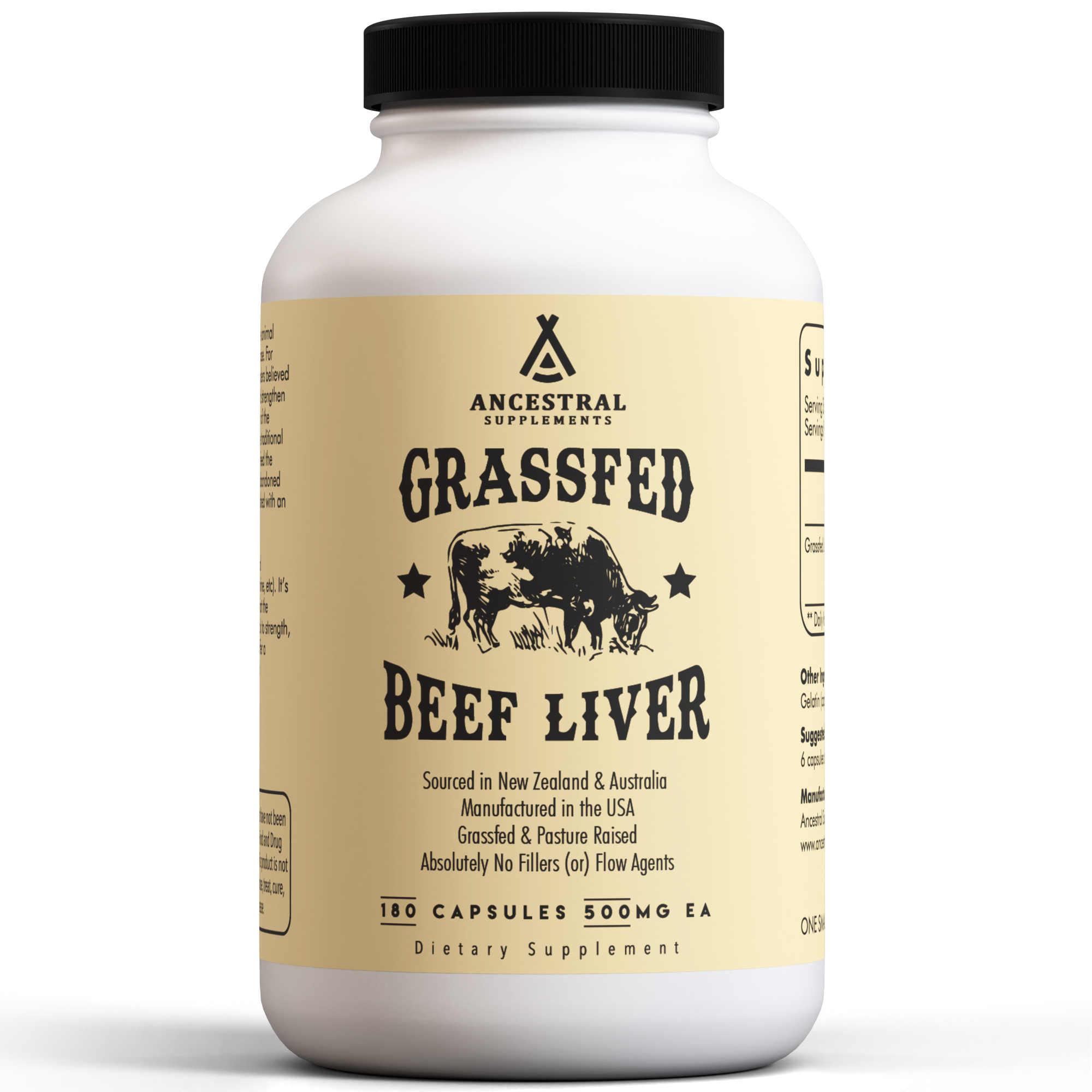
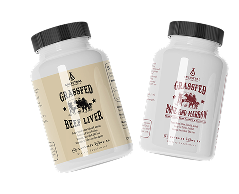
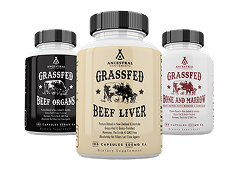
Our Grass Fed Beef Liver supplements provide these energy-supporting nutrients in their most bioavailable form—just as nature intended. These whole-food nutrients work synergistically with your body's natural processes to support healthy energy levels.
Building sustainable energy doesn't mean you need to give up coffee entirely. It means creating a foundation of healthy habits so that caffeine becomes an enjoyable choice rather than a necessity. Consider these evidence-based strategies:
Morning sunlight before morning coffee: Get outside for 10–15 minutes upon waking to support your natural cortisol rhythm
Move regularly: Incorporate movement throughout your day to support mitochondrial health
Support your nutrition: Ensure you're getting adequate B vitamins, iron, and other energy-supporting nutrients
Time your caffeine wisely: If you drink coffee, consider having it mid-morning rather than immediately upon waking, and avoid late-day consumption
Individual responses to caffeine vary based on genetics and lifestyle factors. Some people function well with regular, moderate caffeine use. The key is understanding your own body and building habits that support your natural energy production.
When you combine movement, sunshine, and proper nutrition—including the concentrated nutrition found in Grass Fed Beef Liver—you create a foundation for steady, natural energy.
Ready to support your body's natural energy production? Discover how Grass Fed Beef Liver can be part of your comprehensive approach to sustained vitality.

The sun is setting earlier, but your schedule is the same and your to-do list hasn’t gotten any shorter. Despite the drive to hibernate, you still ...

Drinking enough water matters. But hydration involves more than water alone.If you've spent any time in the health world, you've heard it a thousan...

If you've spent any time in the health world, you've probably heard wildly different opinions about fasting.Some experts warn that skipping meals c...

Every spring, millions of people declare war on their bodies. They cut calories, double their cardio, skip meals, and promise this time they’ll fin...


Register to receive a notification when this item comes back in stock.